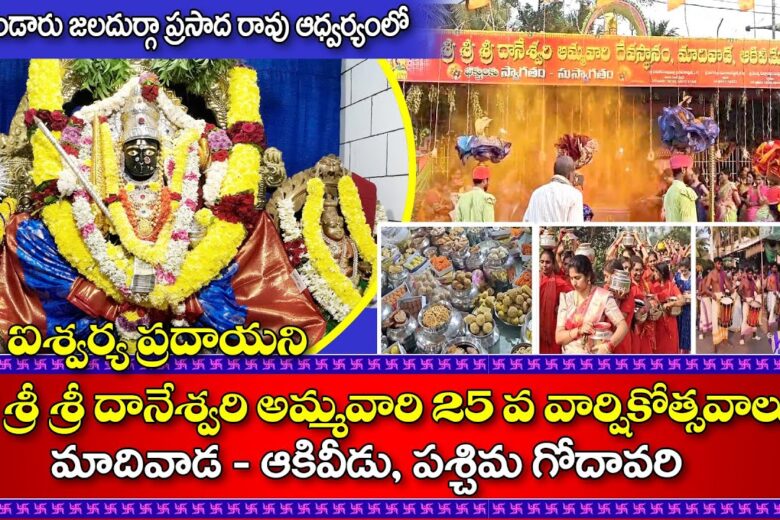
Temple Origin & Divine History
Self-Manifestation of the Goddess
The Goddess is believed to have appeared as a Swayambhu (self-manifested deity) in the village of Varigedu, marking the sacred beginning of this revered shrine.
Resolution of a Village Dispute
At one point, a dispute arose between two neighbouring villages regarding the rights to worship the Goddess. A respected scholar (Siddhanti) intervened and wisely resolved the conflict by advising both communities to share the worship equally, thereby preventing divine displeasure and ensuring harmony.
The Miracle of Bollam Sesha Rao
A farmer named Bollam Sesha Rao experienced a life-changing miracle when his daughter went missing. In his distress, he prayed earnestly to the Goddess. She appeared to him and reassured him that his daughter was safe and alive. This divine intervention profoundly strengthened his faith.
Construction of the Temple
Following this miraculous event, Bollam Sesha Rao became a devoted follower. The Goddess later appeared in his dream and instructed him to build a temple in her honour. Though initially hesitant due to financial constraints, he was encouraged by the Goddess’s assurance of success. With determination and the support of his sons-in-law, he successfully constructed the temple.
25th Anniversary – Five-Day Grand Celebrations
The temple is currently commemorating its 25th Anniversary with a magnificent five-day spiritual celebration:
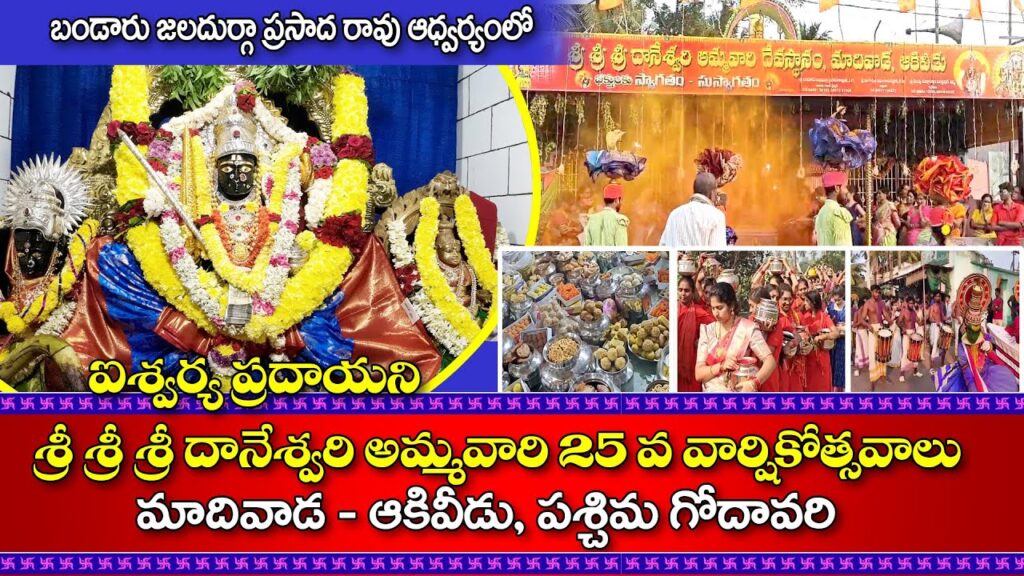
Day 1: Inauguration & Procession
The celebrations begin with a grand procession from the Ganga Temple, accompanied by traditional music (Melatalalu).
Devotees offer turmeric, vermilion, sarees, bangles, and traditional items such as Panakam and Vadapappu.
Evening rituals include the observance of the Sankashtahara Chaturthi Vratam.
Day 2: Rituals & Flag Hoisting
Morning Rituals: Vigneshwara Puja, Punyahavachanam, and Panchagavya rituals are performed.
Afternoon Ceremonies: Agni Pratisthapana (installation of the sacred fire), Dhvajarohana (flag hoisting), and Ankuraropana (seed sowing ritual).
Day 3: Abhishekam & Kumkumarchana
The Goddess is ceremonially bathed (Abhishekam) using holy water from 108 Kalashas.
A grand Kumkumarchana is conducted by married women (Sumangalis) to invoke divine blessings.
Day 4: Sacred Homas
Major rituals include Chandi Homam, Parayana, and Purnahuti.
In the evening, a massive Abhishekam is performed using approximately 1,000 kilograms of turmeric and vermilion, symbolising devotion and abundance.
Day 5: Grand Conclusion
The celebrations conclude with Deepalankarana (decorative lighting) and a vibrant public gathering, marking the successful completion of the anniversary festivities